# How Technology Can Improve Patient and Resident Experience in Healthcare Facilities
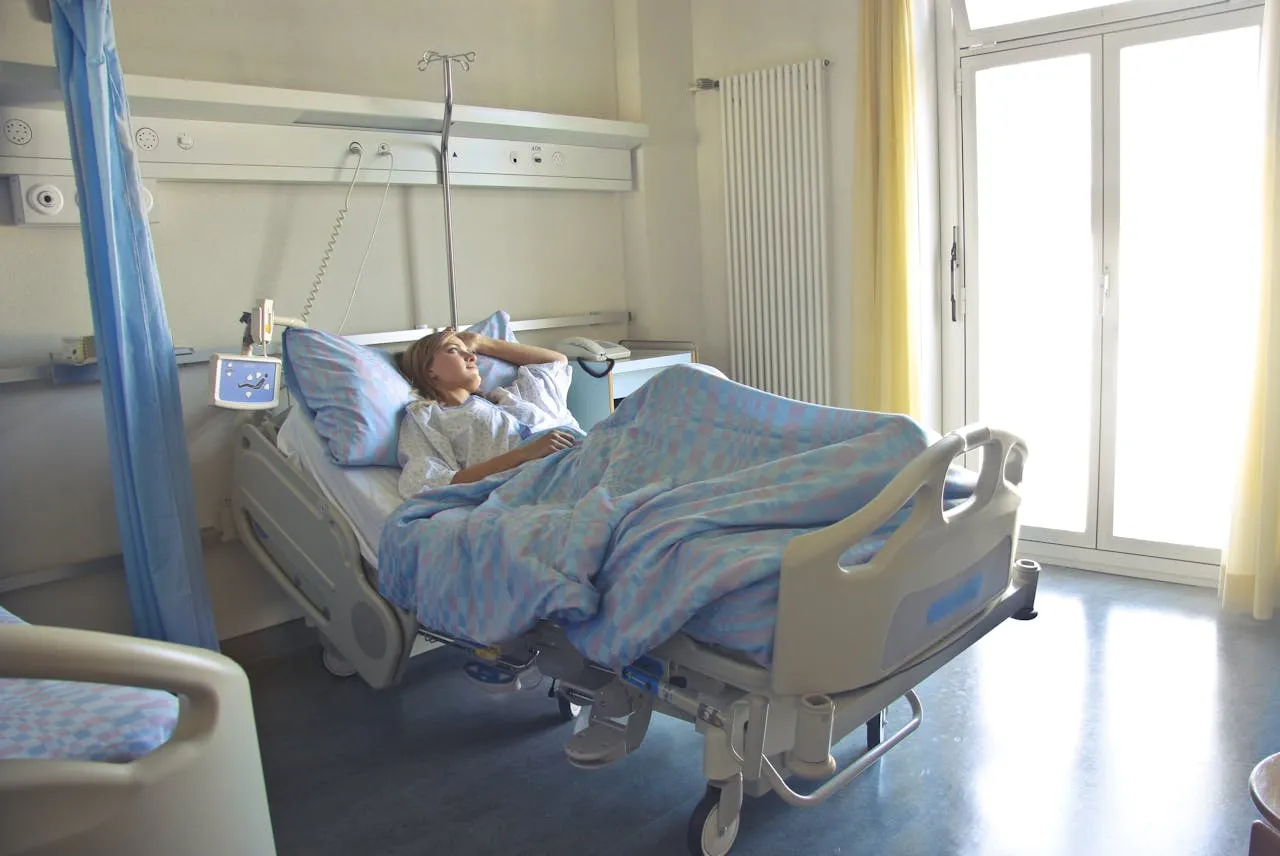
Healthcare facilities have a reputation for feeling cold and impersonal. The long hallways, the beeping machines, the busy staff rushing from room to room. People who end up in these places often feel like they have lost their identity and become just another patient in a gown. This does not have to be the way things are. Technology offers a path to change this feeling entirely. The goal is not to add more screens and devices just for the sake of it. The goal is to use these tools to humanize the [patient and resident experience](https://activatedinsights.com/patient-and-resident-experience/). When done right technology fades into the background and lets comfort and dignity take center stage.
### Small Controls Make a Big Difference
Being in a hospital or care home means giving up a lot of daily decisions. Someone else decides when meals arrive and when lights go out. The television plays whatever happens to be on. The room temperature never feels quite right. These little frustrations pile up over time and make people feel powerless. [Smart room technology](https://europeanbusinessmagazine.com/technology/everything-about-smart-room-technology/) puts some of that control back where it belongs. A simple tablet mounted near the bed lets patients adjust the blinds and the thermostat without waiting for help. They can browse movies and music at their own pace. They can call the nurse with a tap instead of buzzing and hoping someone shows up. These small freedoms remind people that they are still individuals with preferences and needs.
### Keeping Families Close from Afar
Nothing [lifts the spirits](https://www.sciencedirect.com/science/article/pii/S1110016822002897) of someone in care quite like seeing a familiar face. Visits from family and friends bring warmth that no medicine can provide. But life gets busy and distance gets in the way. Work schedules and geography often keep loved ones apart when they need each other most. Video calling technology bridges this gap in a beautiful way. Tablets set up in rooms allow for spontaneous calls and shared moments. A new grandchild can be shown off in real time. A birthday can be celebrated through the screen. These connections fight the loneliness that so often creeps into long stays. The room feels less isolated when a loved one is just a tap away.
### Taking the Stress Out of Waiting
Waiting rooms breed anxiety like nothing else. People sit with no information and no timeline and no idea what comes next. Every minute drags by while the mind races through worst case scenarios. Digital check in systems and text updates change this dynamic completely. A simple message letting someone know the doctor is running late removes the mystery. Real time updates about where a person stands in the queue provide peace of mind. People can step away for coffee or a walk without fear of missing their turn. The whole experience shifts from frustrating to manageable. When people feel informed they also feel respected and that makes all the difference.
### Entertainment That Passes the Time
Days in a healthcare facility stretch out long and empty. Without distraction the mind turns inward and fixates on pain or worry or boredom. Modern patient engagement systems offer an escape hatch from this trap. Streaming services bring favorite shows and movies right to the bedside. Music libraries let people revisit songs from better days. Simple games provide a mental challenge that shifts focus away from discomfort. A child enduring treatment can lose themselves in a virtual world for a while. An older adult can take a digital tour of a faraway place they always wanted to visit. These moments of escape are not just entertainment. They are small lifelines that make the long hours pass more gently.
### Clear Information Calms the Mind
Medical situations come with a lot of unknowns. Test results and treatment plans and doctor notes all carry weight but often remain hidden behind closed doors. This lack of access breeds fear and confusion. Patient portals open those doors and let the light in. People can read their own results as soon as they become available. They can review what the doctor said during the last visit and prepare better questions for the next one. They can message their care team directly when concerns pop up at odd hours. This transparency builds trust between patients and providers. Knowledge replaces uncertainty and fear shrinks down to something manageable.
### Making Daily Life Run Smoothly
Living in a facility involves endless small requests throughout the day. A glass of water here and an extra blanket there. Help getting to the bathroom or adjusting a pillow. In the past these requests meant waiting for a staff member to pass by or pushing a button and hoping for the best. New communication tools streamline this whole process. Patients can send non urgent needs through a simple messaging system. Staff can see and respond to requests in order of priority. The little things get handled faster and everyone feels less frustrated. Nurses spend less time running back and forth and more time on the care that truly matters.
### Removing Barriers to Human Connection
Some people worry that more technology means less human interaction. The opposite proves true when these tools are implemented thoughtfully as the main goal is never to replace the human touch. The goal is to clear away the obstacles that block it. When technology handles the paperwork and the wait times and the basic requests the humans are free to focus on each other. A nurse can sit down for a real conversation instead of rushing off to answer a call light. A doctor can make eye contact and listen without typing notes at the same time. Families can share genuine moments without a clipboard getting in the way. The machines handle the background noise so the people can handle what matters most.
---
# Agent Instructions: Querying This Documentation
If you need additional information that is not directly available in this page, you can query the documentation dynamically by asking a question.
Perform an HTTP GET request on the current page URL with the `ask` query parameter:
```
GET https://eztalks.gitbook.io/blog/healthcare/how-technology-can-improve-patient-and-resident-experience-in-healthcare-facilities.md?ask=
```
The question should be specific, self-contained, and written in natural language.
The response will contain a direct answer to the question and relevant excerpts and sources from the documentation.
Use this mechanism when the answer is not explicitly present in the current page, you need clarification or additional context, or you want to retrieve related documentation sections.